The culture of Chikkamagaluru is deeply rooted in the traditions of the Malnad region of Karnataka. The local population is a harmonious blend of communities, including the native Kannadigas, the Arebhase-speaking Gowdas, and the descendants of Tamil and Malayali migrants who came to work on the coffee plantations generations ago. This diversity is reflected in the region's language, cuisine, festivals, and daily life. Kannada is the primary language spoken, but you will also hear Tulu, Arebhase, Tamil, and Malayalam in different parts of the region. English is widely understood in tourist areas, hotels, and restaurants, making communication easy for international visitors.
Festivals in Chikkamagaluru are celebrated with great enthusiasm and fervour. Ugadi, the Kannada New Year which falls in March or April, is marked by the preparation of a unique dish called "Bevu-Bella" — a mixture of neem flowers and jaggery that symbolizes the bittersweet nature of life. Deepavali (Diwali), the festival of lights, illuminates the town with oil lamps, candles, and fireworks. Makar Sankranti (January), a harvest festival, is celebrated with kite flying and the preparation of sesame and jaggery sweets. The Gowri-Ganesha festival (August-September) is particularly vibrant, with beautifully decorated idols installed in homes and community spaces. During Navaratri (September-October), temples and cultural centres come alive with music, dance, and religious processions.
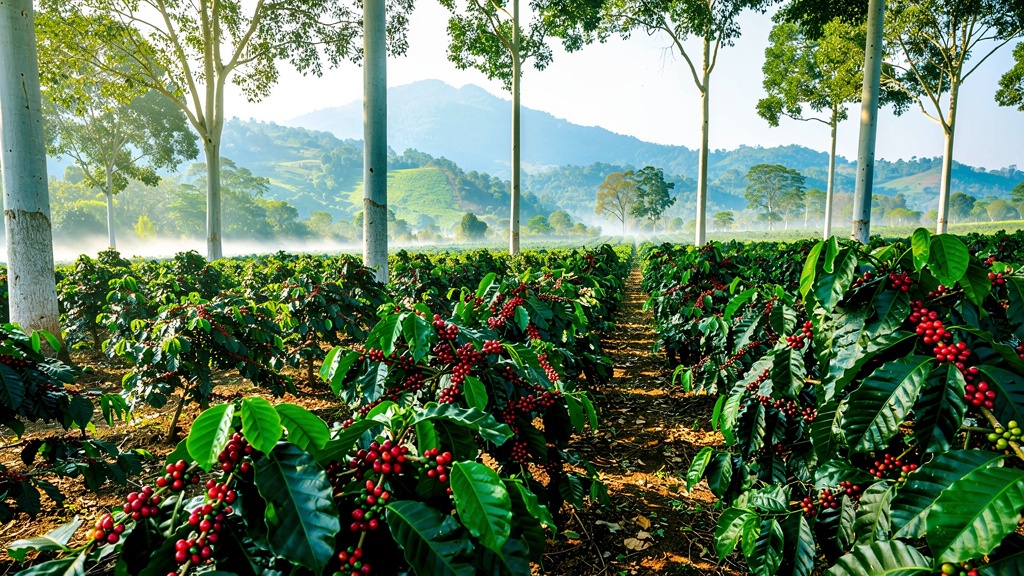
The coffee culture is an integral part of daily life in Chikkamagaluru. Coffee is not just a beverage here; it is a ritual, a social lubricant, and a way of life. The traditional way of preparing coffee involves brewing freshly ground coffee powder in a traditional stainless steel or brass filter, then mixing the decoction with hot milk and sugar to taste. The result is a rich, aromatic, and full-bodied cup that is served at any time of the day. The coffee culture extends to the estates, where workers take short breaks to share a cup under the shade of silver oak trees. This sense of community and shared experience is at the heart of Chikkamagaluru's charm.
Traditional arts and crafts also thrive in the region. Local artisans specialize in wood carving, sandalwood carving, and Areca nut leaf plate making. The nearby town of Channarayapatna is famous for its exquisite wooden toys and lacquerware. The region also has a rich tradition of folk music and dance, including the energetic Dollu Kunitha (drum dance) and the graceful Yakshagana (traditional theatre). Many cultural events are organized during festivals, and visitors can often witness these performances at local community centres or temple festivals. Engaging with the local culture is one of the most rewarding aspects of visiting Chikkamagaluru, as it adds depth and meaning to the natural beauty that surrounds you.
The local temples of Chikkamagaluru offer a fascinating glimpse into the architectural and spiritual heritage of the region. The Sri Veeranarayana Temple in Belavadi, built in the Hoysala style, is a masterpiece of stone architecture with intricate carvings depicting scenes from Hindu mythology. The Amriteshwara Temple in Amruthapura, another Hoysala-era gem, features a beautifully sculpted mantapa and a stunning shikhara. The nearby towns of Belur and Halebidu, home to the famous Chennakeshava and Hoysaleshwara temples respectively, are UNESCO World Heritage Site nominees and are easily accessible as day trips from Chikkamagaluru. These temples, built between the 12th and 13th centuries, are considered among the finest examples of Hoysala architecture in India.